Stop Talking About the Strangled Strait of Hormuz: Let’s Focus on Fertilizer and Petroika

“The world between our ears has changed, decisively, in the direction of renewable power from the sun and wind.” – Bill McKibben
Most of the world knows that Trump’s unlawful attacks on Iran have effectively shut down most oil shipments through the chokepoint of the Strait of Hormuz between Oman and Iran, killed more than 3,000 people and plunged the Middle East into chaos and a wider conflict. That’s propelled gasoline and diesel prices above $5 a gallon and jacked up everything from airline tickets to food prices.
We’re still largely a petroleum-based economy that needs to morph into what I call petroika, a mash-up of the Russian word “perestroika” and “petroleum.” The world needs a restructuring of our global economic dependence on petroleum and its by-products. Renewability with low- or no-carbon energy sources should be our global goal.
Thanks so much for reading and opening this email. My newsletter is a reader-supported publication. Subscriptions are free, but if you enjoy my writing, please consider becoming a paid subscriber. Six dollars a month will help me to continue my work.
So let’s take a deep breath and talk about a related, somewhat unexplored topic. I’m a news junkie, but still also a focused journalist. I’ve trained myself to peruse thousands of pages of news items, papers and headlines to find one fact that I find compelling. To me, that’s like finding a diamond in a coal mine.
I’m concerned about one fact that gets buried in the Iran debacle: Some 20% of the world’s synthetic agricultural fertilizer is shipped through the Strait of Hormuz. This threat is more pronounced for the United States, even though we’re not dependent on imported oil to fuel our economy. The simple fact is that large-scale American farmers are highly dependent on synthetic fertilizers for their row crops, mostly corn and soybeans. That means, if this essential nutrient supply chain is not restored, everything from beef to tofu will soar in price even more than it has post-pandemic.
So let’s dig a little into how synthetic fertilizer is produced. Natural gas and petroleum contain hydrocarbons. Heat these feedstocks under high temperatures adding the nitrogen from our atmosphere (which is mostly nitrogen) and you produce nitrogen-rich urea or ammonium nitrate. This is the thumbnail version of the Haber-Bosch process to produce nitrogen-based fertilizer.
Wait, the gardener in you says: Plants also need Phosphorous and Potassium – the other needed components of the three musketeers of fertilization – NPK. Potassium (K) is mined from “potash.” Phosphorous is mined from phosphate rock. The “P” compounds are then added to the nitrogen compounds to create a high-concentration NPK fertilizer.
One of the main reasons we need high-strength NPK fertilizer is that over time most non-nitrogen-fixing crops suck nutrients out of the soil, thus depleting fertility. That’s been an issue ever since Euro-Americans began to scale up agriculture in the 19th century. Lawmakers knew it was a huge problem going back to the 1850s. That’s what led Senator Justin Morrill to propose land-grant universities, which would conduct ongoing research into agricultural productivity. It was no less than Abraham Lincoln who signed the Morrill Act into law in 1862 at the height of the Civil War. (More in my book “Lincolnomics.”)
Okay, back to the sclerotic Strait of Hormuz and the long-term issue of sustainability. Our current “big ag” model is not sustainable. Not only do we need a steady supply of synthetic fertilizer, we need diesel fuel to run monster tractors and implements. Then we need even more diesel fuel to run the trucks and trains to transport our food from the field to our supermarkets. The whole supply chain is fossil-fuel dependent.
Would incorporating more electric-powered farm and transportation vehicles make a difference? Yes, if the power coming from the grid is not from fossil fuels. But we’re a long way from powering an entire, conservative industry with renewable energy. Farmers from Belgium to California are eyeing the Strait of Hormuz wondering if they’ll go bankrupt this growing season. I can’t imagine many of them are thinking about massive capital investments in new equipment. Electric trucks are coming on the market, but they may do best in short- or medium-duty hauling.
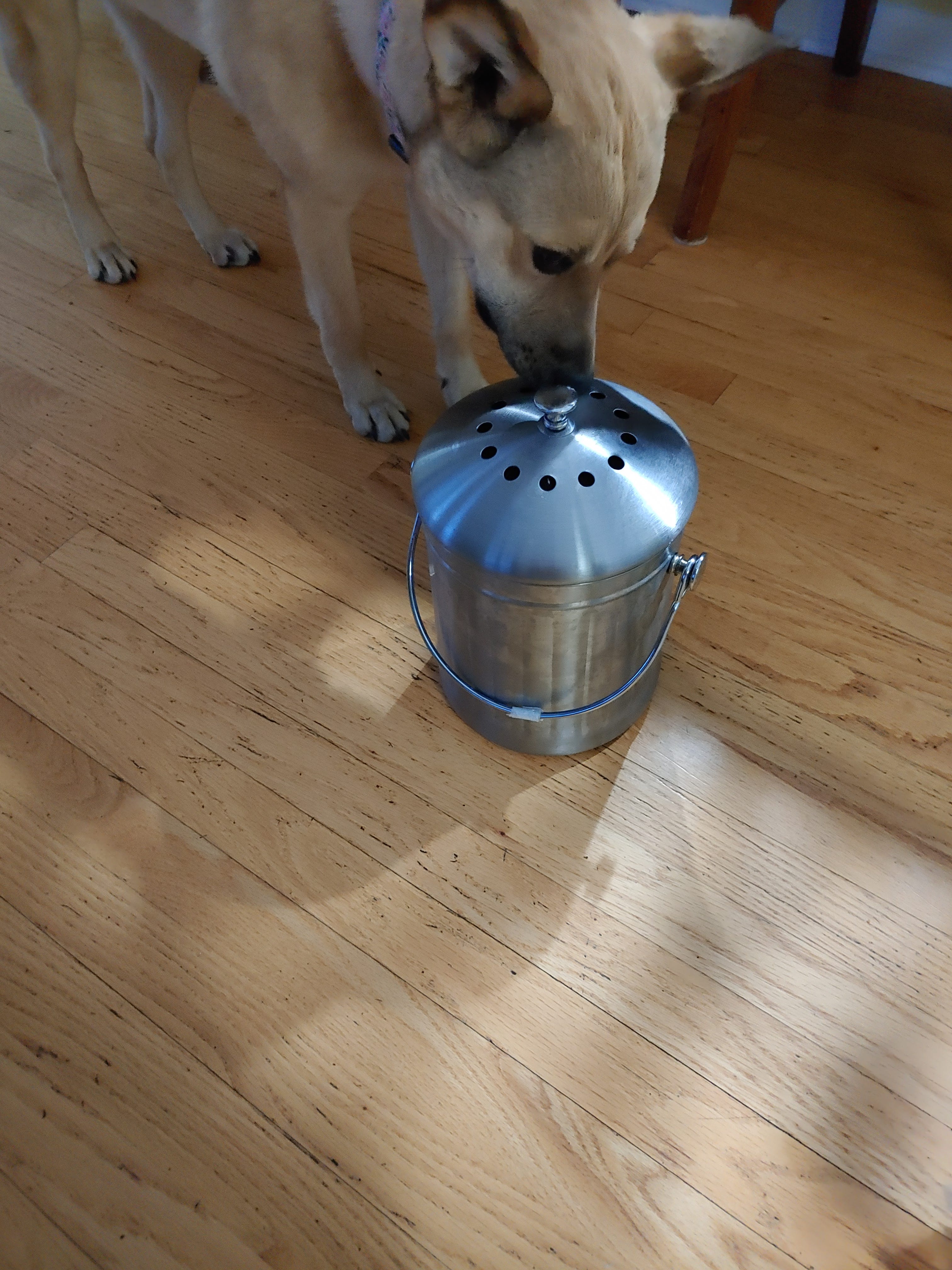
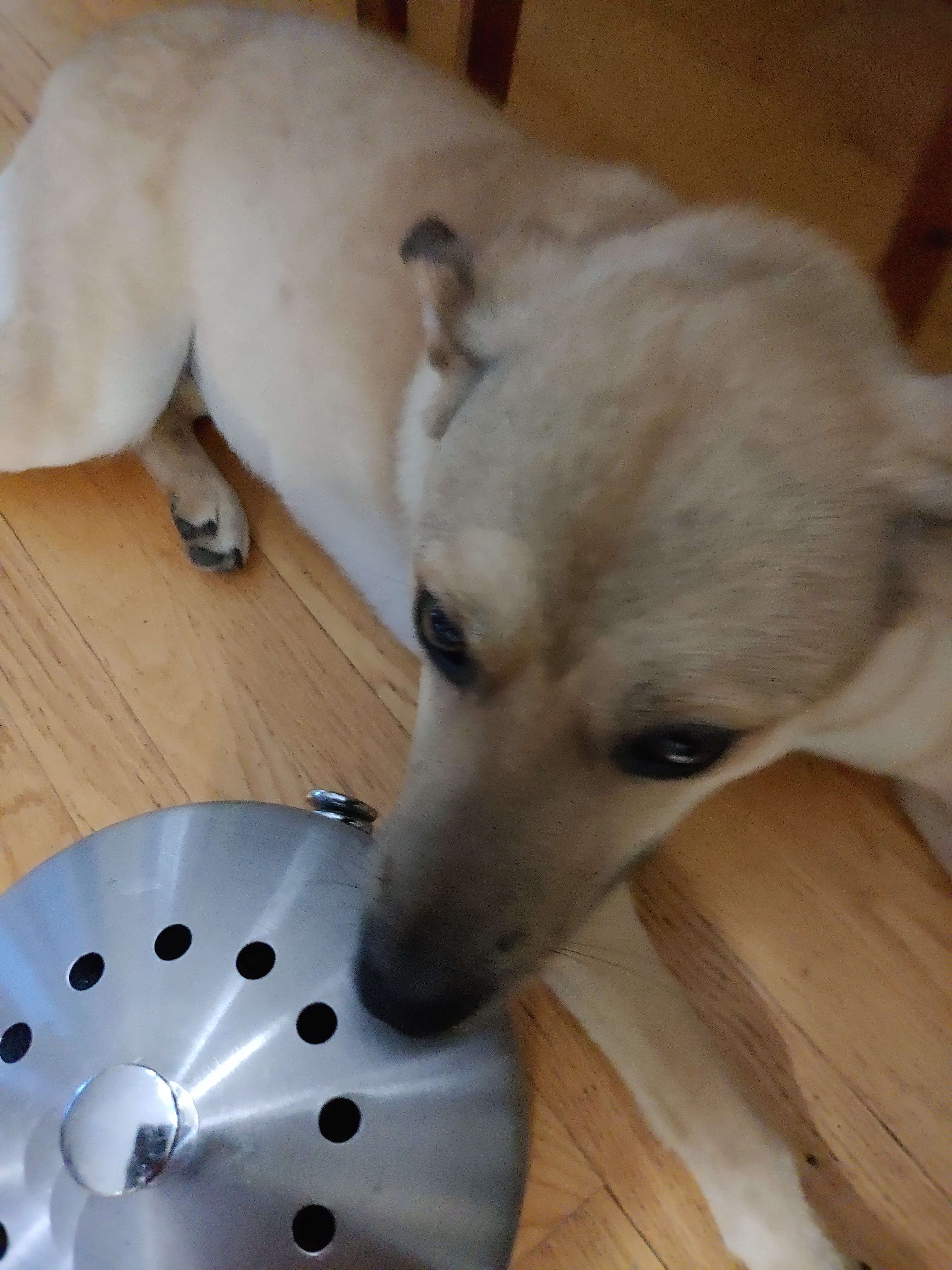
Back to the Strait of Hormuz dilemma: Wouldn’t it make more sense to have a meaningful policy discussion about sustainable ways of restoring and preserving soil fertility and growing nutritional food? Composting food waste is one approach, although it’s not going to provide enough NPK to ensure optimal fertility. In general, it’s a great idea – and needs to be scaled up – but we need a more comprehensive solution. We recycle our kitchen waste at home and support composting policies to encourage this practice. Ultimately, though, we need to recycle more to recapture nutrients and carbon to create more healthy soil.
Another environmental issue concerns watersheds and global warming. Rain events and droughts are becoming more frequent and severe. They erode soil and wash nutrients into rivers and the ocean (eventually). While regenerative farming partially addresses this issue by planting winter cover crops and focusing on soil restoration, it’s not something widely adopted by “big ag” for row crops. Yet another way of tackling the fertilizer issue is to recycle more farm waste from manure to corn stalks. There’s also plenty of nitrogen and phosphorous in manure, which can also be used to produce energy.
We need to heed what prophet-poet-novelist-famer Wendell Berry noted about soil wellness in his classic “The Unsettling of America” (more on Berry in upcoming newsletters).
“The soil is the great connector of lives, the source and destination of all. It is the healer and restorer and resurrector, by which disease passes into health, age into youth, death into life. Without proper care for it we can have no community, because without proper care for it we can have no life.”
Not only do we need to focus on soil fertility and sustainable agriculture, it’s essential we seed new ideas on how to revive our natural and social ecology. This new vision doesn’t involve drilling, refining, shipping and fighting wars over fossil fuels. Think fertility, not futility, of endless wars.
Vincit Omnia Veritas
(Truth Conquers All)
Thanks for opening this email! If you enjoy what you’re reading, please support my work by upgrading to a paid subscription. As a bonus, subscribers receive free access to my new book “The Natural Neighborhood,” which is serialized in this newsletter: A new chapter every month.
This essay was not produced by AI. I am a sentient writer, journalist, author, environmentalist, speaker, musician and elected county forest preserve commissioner who’s written 19 books and contributed to The New York Times, Next Avenue, Bloomberg and Reuters. To contact me about speaking and writing or offer even more dangerous ideas, email me: johnwasik@gmail.com