Why We Don’t Need More Data Centers: What We Need is More Pollinators

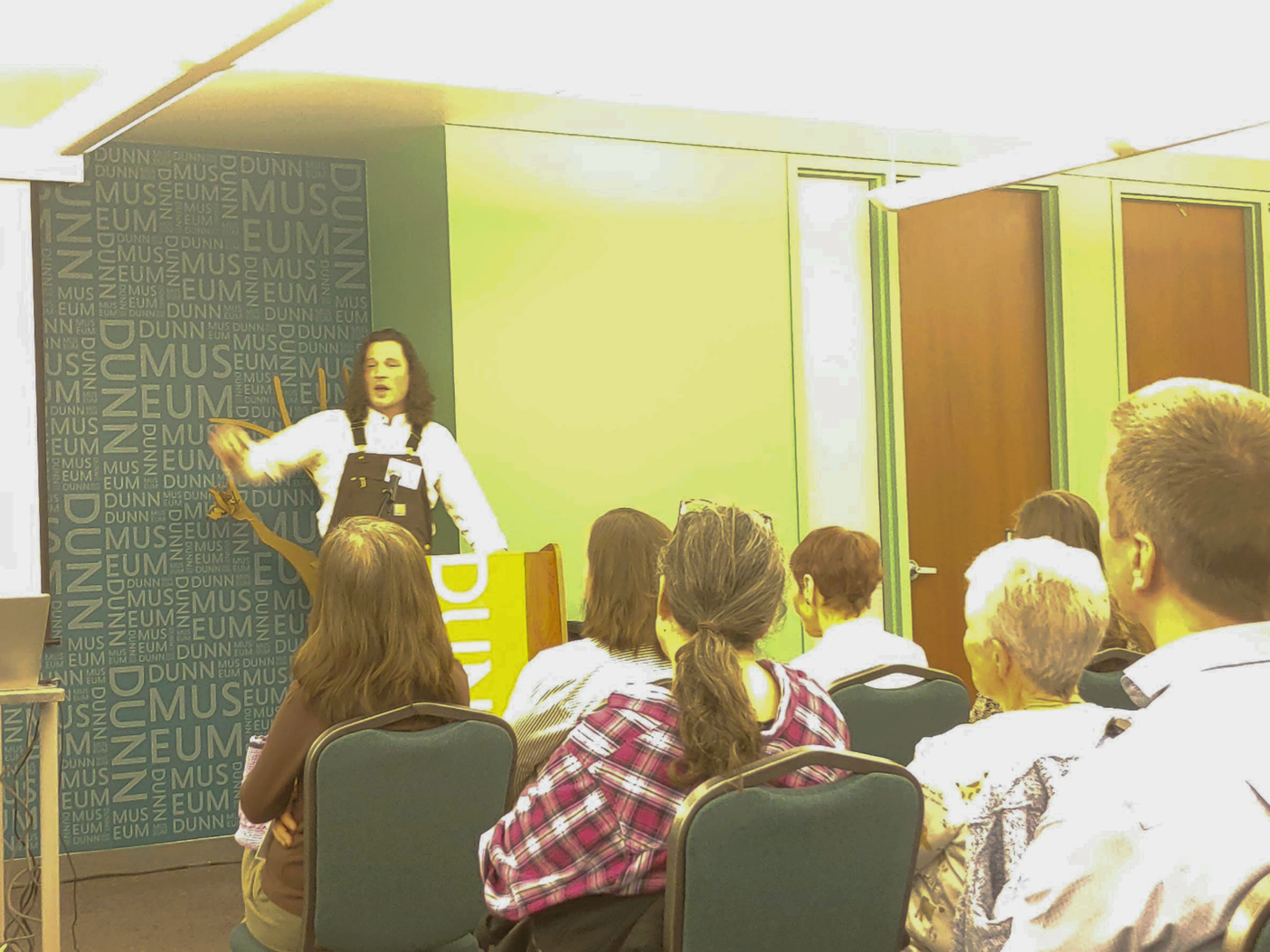
Sporting overalls, long hair and a gentle smile, Luke Howard is an enlightened Johnny Appleseed for our era. He radiates an unrestrained joy.
To Howard, enchantment with the environment can be a joyful fusion of art, nature and childlike effusiveness for pollinators. His “Bee Collective” navigates the ecstatic space between sculpture and protection of pollinators of all kinds.
“We need to restore a sense of childlike wonder,” Luke says, speaking from the heart without powerpoints, alluding to Rachel Carson. “We need to be more whimsical and stop and smell the flowers.”
Pollinators are the organic connectors that plant life needs to grow, produce seeds and feed a large swath of our planet. From almonds to orchards, though, if pollinators don’t survive and prosper, our existence on earth is imperiled. Global warming, pesticides and habitat loss have devastated their numbers. Bumblebees alone have suffered a 96% decline in their population. Yet most people are more concerned about data centers and MAGA madness.
If you enjoy what you’re reading, please support my work by upgrading to a modest donation through a paid subscription. As a bonus, subscribers receive free access to my new book “The Natural Neighborhood,” which is serialized in this newsletter: A new chapter every month.
It won’t surprise you to learn that pollinators create and inspire art. In the splendid Dunn Museum exhibit “For the Love of Pollinators” (closing May 31, 2026), the beauty of pollinators is on full display. I attended the exhibit recently at an event sponsored by the Preservation Foundation of the Lake County Forest Preserves (I am on their board). Howard was the keynote speaker.
Howard chooses to illuminate pollinator perils through art and pure emotion. We’re in a time in which monoculture farms and landscapes have eliminated diversity of plant life — and multiple sources of pollen.
When I saw the art created by pollinator-inspired sculptors, the closing words of Darwin’s “On the Origin of the Species” flew into my brain:
“There is grandeur in this view of life, with its several powers, having been originally breathed into a few forms or into one; and that, whilst this planet has gone cycling on according to the fixed law of gravity, from so simple a beginning endless forms most beautiful and most wonderful have been, and are being, evolved.’
Still, for as long as I can remember, much of environmentalists’ focus on pollinators has centered on honeybees, which were imported from Europe. Although they serve many purposes other than honey production, they are not native. There are more than 4,000 species of North American bees. They are mostly threatened due to habitat loss.
Biodiversity matters. And it can be localized and celebrated. In my humble suburban yard, I am working on creating a CARE garden. It’s a combination of rain, rocks, pollinator and peace gardens. It’s a multi-year project, but it’s off to good start.
We also planted native prairie plants like bee’s balm (monarda) and coreopsis (prairie sunflower), which pollinators love. It’s part of my larger project of Compassionate Action for Renewable Ecosystems (CARE). I’m also not dousing the spreading “Creeping Charlie” invasive weeds with chemicals that have colonized my backyard lawn. Bumblebees love the flowers. I respect that. I will burn some of the weeds in garden areas, but no chemical applications for now. I’m also supplementing my pollinator-friendly plants with purple coneflower and milkweed.
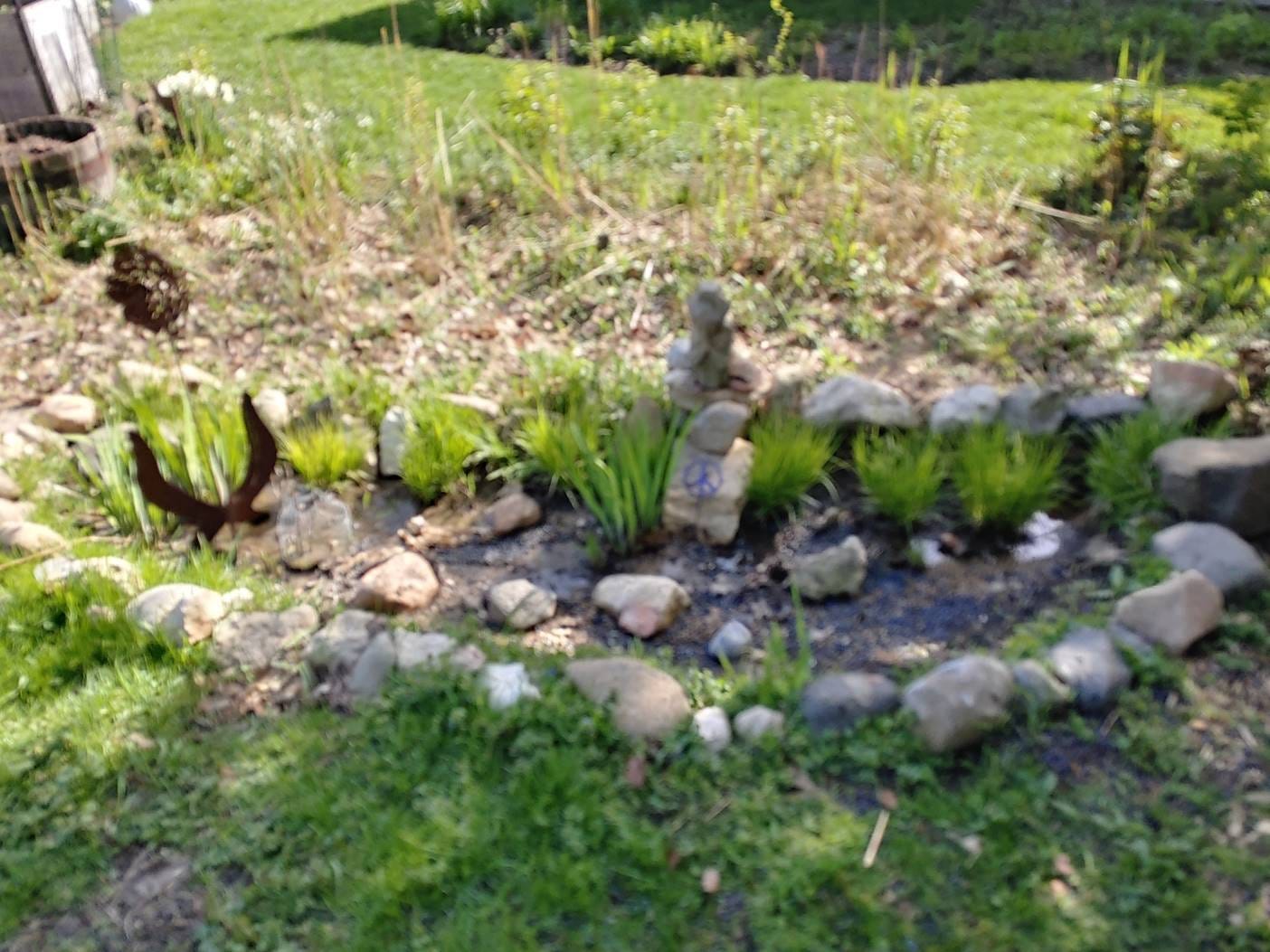
Kathleen and I are also taking the advice of Eileen Davis, Lake County Forest Preserve education specialist. She suggests leaving leaf litter on the ground to overwinter, along with plant stems to preserve habitat for many bugs, including fireflies and caterpillars. We also changed our outside lighting to yellow “bug” lights, which, despite their name, are designed not to attract flying insects. If pollinators like moths are circling white light all night, they are not pollinating!
While millions of environmentalists are working to restore and protect pollinators, their habitat is threatened by overdevelopment and expansion of data centers. These massive complexes of servers, presumably built to serve the AI industry, consume thousands of acres of land while creating new sources of heat, light, water and noise pollution.
What will replace the habitat loss for pollinators and other species consumed by endless plots of concrete, bunker-like data centers? Will artificial intelligence replace the natural intelligence of millions of years of evolution?
I think many of us know the answer to that question.
Vincit Omnia Veritas
(Truth Conquers All)
Let me know what you think! To contact me about speaking and writing or offer even more dangerous ideas, email me: johnwasik@gmail.com. Please upgrade to a paid subscription if you can!
This essay was not produced by AI. I am a sentient writer, journalist, author, poet, environmentalist, speaker, musician and elected county forest preserve commissioner who’s written 19 books and contributed to The New York Times, Next Avenue, Bloomberg and Reuters.